A Closer Look at Women's Wellness Habits
Why More Women Are Paying Attention to Gelatin as Their Bodies Change Over Time
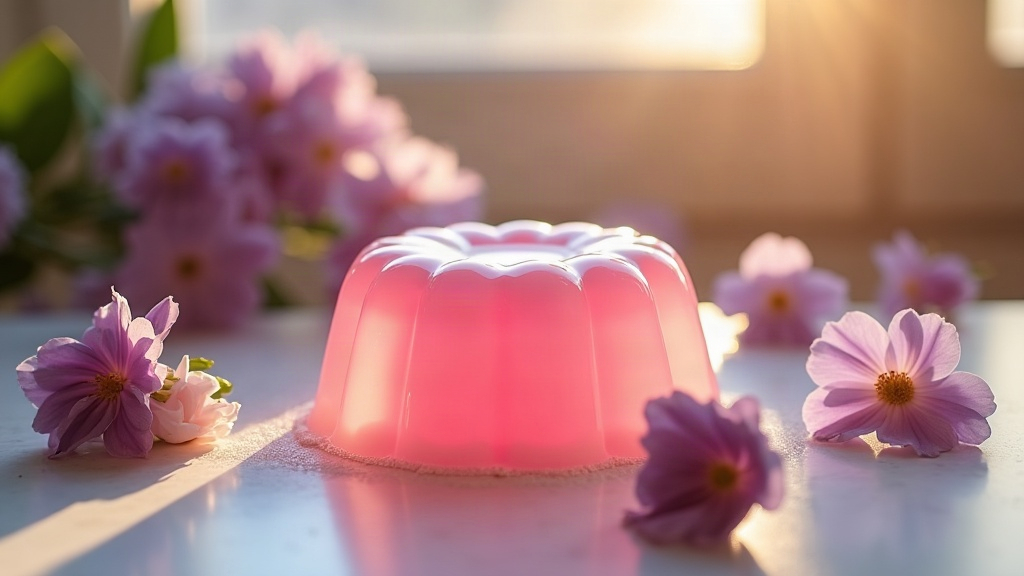
A short educational video walks through what gelatin actually is, how it relates to collagen, and why it keeps showing up in conversations about natural habits and daily routines.
What Changes in the Body Women Often Notice
Several shifts happen gradually and rarely get explained clearly — here’s a plain-language look at four of them, starting with something gelatin is commonly discussed alongside.
Collagen Levels Shift
The body's natural collagen production tends to slow with time, and gelatin is one of the topics that frequently comes up in that conversation.
Satiety Feels Different
Some women notice that meals which once felt filling don't quite land the same way, prompting a closer look at daily eating patterns.
Lean Mass Composition
Body composition isn't static — the balance of lean mass can shift gradually, often without any change in weight on a scale.
Traditional Diet Advice Feels Outdated
Generic diet rules from decades ago rarely account for how individual bodies actually respond, which is why many are revisiting simpler, ingredient-focused habits.
Common Myths About Metabolism and Body Changes
Metabolism gets discussed constantly, but a lot of what circulates isn’t quite accurate. Here’s a side-by-side look.
Metabolism is fixed and can’t be influenced by daily habits.
Daily habits, sleep, and nutrition patterns all interact with metabolic processes in ways researchers continue to study.
Cutting calories drastically is the only way to see body composition change.
Many educators emphasize consistency, protein-rich ingredients, and sustainable routines over extreme restriction.
Once collagen production slows, nothing about the diet matters anymore.
Ingredient choices, including gelatin-based foods, remain a common topic in discussions about supporting a balanced daily diet.
A Simple Way to Think About the Habit
No complicated protocols — just three steps that outline how this topic is typically approached.
Learn the Basics
Start by understanding what gelatin actually is and where it comes from before making any changes to a routine.
Look at Current Habits
Take stock of existing meal patterns and identify where a small, consistent addition might fit naturally.
Stay Consistent, Not Extreme
Small, repeatable habits tend to get discussed far more often than dramatic overnight changes.
A Tradition Older Than Most Wellness Trends
Long before gelatin was packaged and marketed, it was a kitchen staple — broths simmered for hours, bones and connective tissue slowly transformed into something nourishing. Grandmothers across many cultures relied on this process without ever using the word ‘collagen.’ The modern interest in gelatin as a dietary topic is, in many ways, a return to that older kitchen wisdom rather than an invention of it.
Insight: what’s marketed today as a novel discovery is frequently just a rediscovery of traditional cooking practices.
Signs Women Often Ask About
Persistent Hunger
Feeling hungry again shortly after eating is one of the most commonly discussed signs in casual conversations about satiety.
Skin Texture Changes
Noticeable changes in skin elasticity or texture often prompt curiosity about collagen-related habits.
Joint Stiffness
Occasional stiffness, especially after periods of inactivity, is frequently mentioned alongside connective tissue topics.
Weight Fluctuations
Weight that shifts without clear explanation is a common reason people start researching body composition more broadly.
Low Afternoon Energy
A dip in energy midday is often brought up when people discuss daily nutrition patterns.
Brittle Nails
Nails that break or peel more easily are sometimes mentioned in the same conversations as skin and joint topics.
What Some Women Have Shared

These testimonials reflect personal opinions and experiences. They are not a guarantee of any outcome, and individual results may vary.
Frequently Asked Questions
Hydrolyzed gelatin refers to gelatin that has been broken down into smaller components, often making it easier to mix into foods or beverages. It’s a topic frequently discussed alongside collagen and traditional cooking practices.
No. This page is educational in nature and does not diagnose, treat, cure, or prevent any condition. Always consult a healthcare professional for personal medical guidance.
Not exactly — gelatin has been used in traditional cooking for generations, long before it became part of modern wellness conversations.
It’s designed for any woman curious about how gelatin fits into general nutrition and wellness discussions, without age-specific targeting.
No. This content does not make weight-loss promises or provide numeric outcome claims of any kind.
They’re related but not identical — gelatin is derived from collagen through a cooking process, which is part of what makes the topic interesting to explore.
The video itself walks through the background in a straightforward, educational format, which is the best starting point before exploring further.
Curious How Gelatin Fits Into a Daily Routine?
Watch the short educational video to see how this traditional ingredient connects to modern conversations about wellness and daily habits.
Advertising Disclosure: This page contains sponsored content and affiliate links. We may receive compensation if you click on or make purchases through links on this page. This compensation may impact how and where products are presented.
Content Disclaimer: This content is for educational purposes only and has not been evaluated by the FDA. It is not intended to diagnose, treat, cure, or prevent any disease or condition. Always consult a qualified healthcare professional before making changes to your diet or wellness routine.
Results Disclaimer: Individual results vary. Testimonials shared on this page reflect personal opinions and experiences and are not a guarantee of any specific outcome.
© 2026 · All Rights Reserved · /contact/